
Common Hospital Bed Problems and How to Fix Them Quickly and Safely
A Hospital Bed is more than just a piece of furniture. It is an essential support system for patients who need comfort, safety, mobility, and proper positioning during recovery or long-term care. Whether the bed is being used in a hospital, at home, or in a care facility, even a small issue can affect the patient’s comfort and the caregiver’s daily routine. A jammed side rail, a faulty wheel, a stuck adjustment button, or a mattress issue may seem minor at first, but these problems can quickly become stressful if they are not handled properly.
For families searching for the right hospital bed in Bangladesh, the goal is often to find a model that is safe, durable, and easy to manage. Many people also compare the hospital bed price in Bangladesh before buying or renting, especially when they are looking for the best hospital beds for home use. Some patients need a simple manual bed, while others need an adjustable hospital bed or even an automatic hospital bed for easier care and better recovery support.
In this blog, we will look at the most common hospital bed problems, explain why they happen, and share quick and safe ways to fix them. We will also discuss when it is better to repair, replace, rent, or upgrade a Medical Hospital Bed. If you are caring for a patient in hospital bed at home, this guide will help you make safer and smarter decisions with confidence.
Why Hospital Bed Problems Should Never Be Ignored
A hospital bed is designed to improve patient care, not create extra difficulty. When it works properly, it helps the patient sit up, rest, change position, and move more safely. It also reduces strain on caregivers. But when a problem appears, the bed may become uncomfortable, unsafe, or difficult to use.
Some issues can be fixed quickly with basic care, such as cleaning, tightening, or checking power connections. Other issues, especially electrical or mechanical faults, need professional support. Ignoring a problem can lead to discomfort, poor posture, pressure sores, delayed recovery, or even injury. That is why understanding the early signs of trouble is so important.
Common Hospital Bed Problems and Their Safe Fixes
The Bed Will Not Adjust Properly
One of the most common issues with an adjustable hospital bed is that it stops rising, lowering, or changing position smoothly. This can happen in manual beds, semi-electric beds, and fully automatic models. The problem may come from a power failure, a loose cable, a damaged motor, a blocked mechanism, or a worn-out control button.
The first step is to check the power supply if the bed is electric. Make sure the plug is secure and the socket is working. If the bed has a battery backup, confirm whether the battery is charged. For manual beds, inspect the crank or lever to see whether anything is blocking movement. Sometimes a small object beneath the frame can prevent proper motion. If the bed still does not respond, stop forcing it. Forcing an adjustment can damage the motor or frame. In that case, a technician should inspect the bed before further use.
The Bed Makes Unusual Noises
A hospital bed should operate quietly. If you hear squeaking, grinding, clicking, or rattling sounds, it usually means something needs attention. Loose bolts, dry joints, worn wheels, or damaged parts are often responsible. Noisy movement may also happen when the bed is overloaded or when weight is not evenly distributed.
To fix this safely, start by checking whether all screws and joints are tight. Inspect the wheels to make sure they are not blocked by dust, hair, or cloth. Clean the moving parts carefully and make sure the bed is standing on a level floor. If the sound is coming from an electric motor or internal mechanism, do not open the system unless you are trained to do so. A loud or repeated noise may be the first sign of a bigger problem, especially in an automatic hospital bed.
The Wheels Do Not Roll Smoothly
Mobility is one of the most useful features of a Medical Hospital Bed, especially in home care or room-to-room transfer. If the wheels are stiff, jammed, or difficult to lock and unlock, the bed becomes harder to move and less safe to position.
The most common reason is dirt or debris around the wheel mechanism. Cleaning the wheels often solves the issue. Check whether the locking brake is fully engaged or stuck. If the wheels still do not move smoothly, inspect them for wear or cracks. Replacing worn wheels is usually safer than continuing to use damaged ones. A bed should always move easily when unlocked and stay firmly in place when locked.
The Side Rails Feel Loose or Unsafe
Side rails are important for patient protection, especially for elderly users, post-surgery patients, and anyone with limited movement. If the rails wobble, do not lock properly, or feel unstable, they should be checked immediately. Loose rails can create a serious fall risk.
Carefully examine the rail joints and locking system. In many cases, tightening the bolts or replacing a worn latch can solve the issue. If the rail is bent, cracked, or no longer locks firmly, it should be replaced without delay. A damaged rail should never be used as a temporary safety feature, because it may fail when the patient tries to hold onto it.
The Mattress Is Uncomfortable or Damaged
Sometimes the problem is not the bed frame itself but the mattress. A poor mattress can cause back pain, pressure points, skin irritation, and disturbed sleep. For a patient in hospital bed, mattress quality is just as important as frame quality.
If the mattress has dips, cracks, tears, or permanent sagging, it should be replaced. A clean and supportive mattress can make a huge difference in recovery. For long-term care, pressure-relief mattresses are often a better choice because they help reduce pressure sores. When choosing among the best hospital beds for home use, always consider the mattress as part of the overall system, not as an afterthought.
The Remote or Control Panel Stops Working
In electric and semi-electric beds, the control system is vital. If the remote does not respond, the buttons feel stuck, or the panel works only sometimes, the patient may lose access to important position changes. This can be frustrating and unsafe.
First, check the connection between the control unit and the bed. In some cases, the cable may be loose or slightly unplugged. Replace the batteries if the remote uses them. Clean around the buttons carefully if dirt or moisture may be causing the issue. If the panel still fails, the wiring or internal circuit may need professional repair. Never pour water or spray cleaner directly into the control panel.
The Bed Frame Feels Unstable
A bed that shakes, tilts, or feels weak is a serious concern. This may be caused by loose joints, damaged legs, an uneven floor, or a broken support frame. Even a small wobble should not be ignored, especially if the patient moves often or requires assistance getting in and out of bed.
Check whether the bed is placed on a flat surface. Tighten visible bolts and inspect the support structure. If any part of the frame is bent, cracked, or rusted, stop using the bed until it has been repaired. An unstable bed can be dangerous for both the patient and the caregiver. For this reason, many families prefer a durable hospital bed in Bangladesh that is designed for long-term use and easy maintenance.
The Head or Foot Section Is Stuck
Many people choose an adjustable hospital bed because it allows the head and foot sections to move independently. But if one section gets stuck, the bed cannot provide proper positioning. This may happen because of a faulty motor, blocked hinge, bent frame, or damaged manual crank.
Check for any visible obstruction under the mattress or frame. Make sure the bed is not overburdened beyond its safe weight limit. If it is a manual bed, inspect the crank for smooth movement. If the section remains stuck, avoid pulling or pushing forcefully. That can worsen the damage. In such cases, the safest solution is to contact a repair expert.
The Bed Surface Is Hard to Clean
Hygiene is a major part of patient safety. If the bed surface is difficult to clean, it can become a source of germs, stains, or odors. This is especially important in home care environments where infection control matters.
A proper Hospital Bed should have materials that are easy to wipe down. If the surface is damaged, cracked, or holding moisture, cleaning becomes harder and less effective. Use mild disinfectant and soft cleaning cloths on a regular schedule. Avoid harsh chemicals that may damage the coating or mattress cover. If the bed frame is badly worn, replacing it may be the better long-term solution.
When Repair Is Enough and When Replacement Is Better
Not every problem means you need a new bed. Some issues are small and easy to handle, such as loose screws, dirty wheels, or a disconnected cable. In those cases, simple maintenance can restore normal performance. However, if the bed has repeated motor failures, a bent frame, major rust, cracked rails, or unsafe instability, replacement may be the smarter choice.
This decision becomes even more important when the bed is used daily for a patient in hospital bed who depends on smooth operation and reliable support. A failing bed can interrupt care and create unnecessary risk. That is why many buyers compare the hospital bed price in Bangladesh alongside repair costs before deciding whether to keep or replace a bed. Sometimes the long-term value of a new model is better than repeated repair expenses.
How to Prevent Hospital Bed Problems Before They Start
Regular care can greatly extend the life of a hospital bed. Simple checks every week can prevent many common issues from turning into major repairs. Keep the bed clean, inspect bolts and joints, check the wheels, and test the adjustment features. Make sure the mattress is dry, supportive, and free of damage. For electric models, protect the wiring from moisture and use a stable power source.
Choosing the right bed from the beginning also matters. A strong frame, reliable motor, and quality mattress reduce the chance of breakdowns later. If you are searching for the best hospital beds for home use, focus on easy operation, sturdy construction, and long-term comfort rather than price alone. In many cases, a well-made Medical Hospital Bed saves more money over time because it needs fewer repairs.
Choosing the Right Hospital Bed for Home Care in Bangladesh
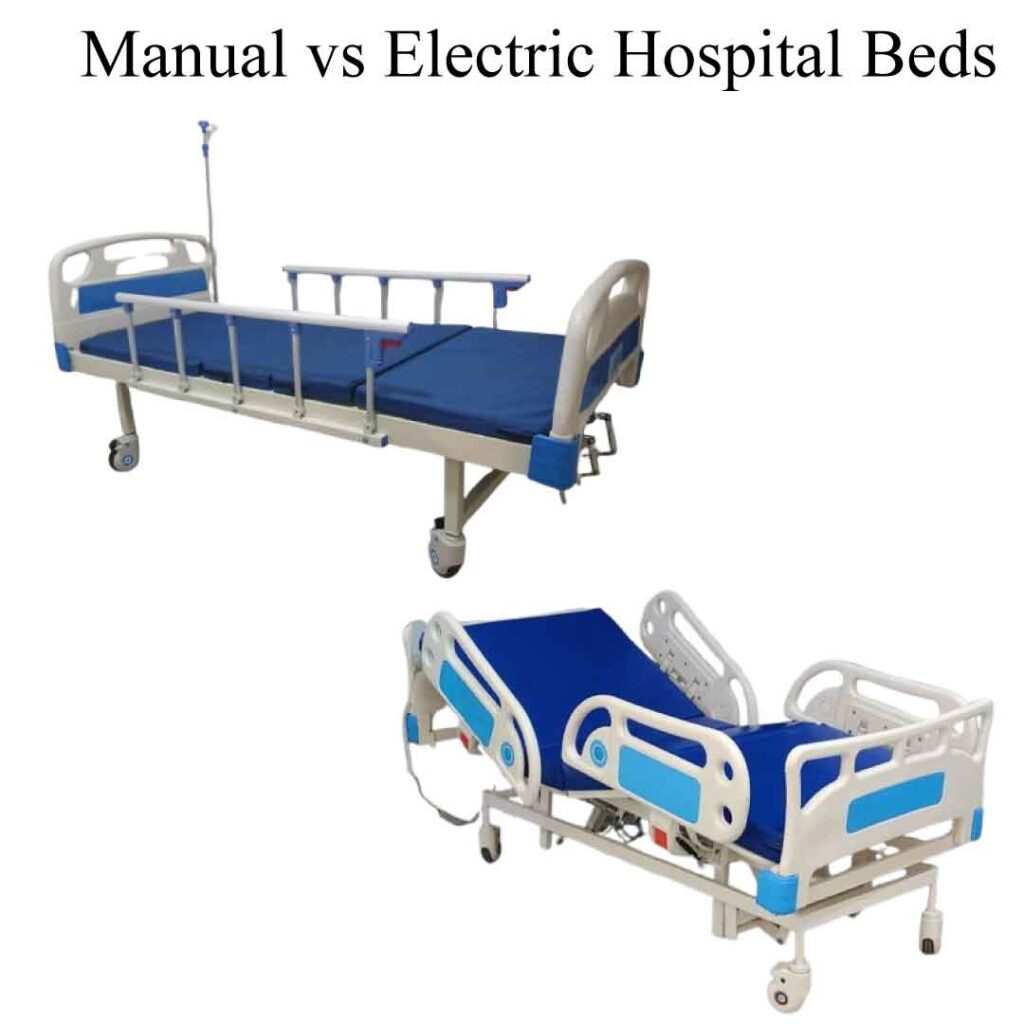
Families often need a bed that fits the patient’s condition, room size, and daily care needs. A manual bed may work well for short-term recovery or low-budget care. A semi-electric or automatic hospital bed is often better when the patient needs frequent position changes and caregivers need more convenience. For home care, comfort and practical features are just as important as durability.
People comparing a hospital bed in Bangladesh usually also look at delivery, installation, spare parts, and support service. These details matter because a bed is not just a product, it is part of the patient’s care routine. If you are exploring hospital bed rental near me or hospital bed rental, renting can be a smart short-term solution for recovery after surgery, injury, or temporary illness. Rental options are often helpful when the patient’s needs may change after a few weeks or months.
Why BD Medical Store Is a Trusted Choice
At BD Medical Store, we understand that choosing the right hospital bed is about more than buying equipment. It is about supporting recovery, protecting safety, and making caregiving easier. Whether you need an adjustable hospital bed, a durable Medical Hospital Bed, or guidance on the hospital bed price in Bangladesh, the right support can make a real difference. Many families also prefer to ask about rental options before making a final purchase, especially when they need flexibility and affordability.
A trusted provider should help you choose a bed based on real patient needs, not just product features. That includes guidance on comfort, movement, space, maintenance, and long-term value.
Conclusion
A Hospital Bed plays a vital role in comfort, safety, and recovery. When problems appear, quick action can prevent bigger issues and protect the patient’s well-being. Whether the issue is a noisy frame, a stuck motor, a faulty rail, or an uncomfortable mattress, the right solution depends on careful inspection and safe handling. Some problems can be fixed easily, while others need expert attention or replacement.
If you are comparing a hospital bed in Bangladesh, exploring hospital bed rental, or searching for the best hospital beds for home use, choose a bed that offers reliable support, easy maintenance, and long-term value. A quality Medical Hospital Bed is not just a purchase; it is an investment in better care.
For trusted guidance, affordable options, and patient-focused solutions, BD Medical Store is here to help you choose the right bed for your needs.
Trending FAQ on Common Hospital Bed Problems
Why does my hospital bed stop working suddenly?
This usually happens because of a power issue, a loose cable, a motor fault, or a jammed mechanism. Check the power source first, then inspect visible connections. If the problem continues, a technician should examine it.
What is the most common problem in an adjustable hospital bed?
The most common issue is failure of movement, especially in the head or foot section. This may be caused by motor trouble, blocked parts, or control panel issues.
How do I know whether I should repair or replace my hospital bed?
If the issue is small, isolated, and inexpensive to fix, repair is usually enough. If the bed has repeated failures, structural damage, or unsafe instability, replacement is the safer option.
Is an automatic hospital bed better for home use?
An automatic hospital bed is often better for patients who need frequent position changes or caregiver support. It is especially helpful for long-term care and recovery, though the right choice depends on budget and medical need.
Are hospital bed rentals available in Bangladesh?
Yes, many families search for hospital bed rental near me or hospital bed rental when they need a bed temporarily. Renting is often useful after surgery, during recovery, or for short-term care at home.
What should I check before buying the best hospital beds for home use?
Check the frame strength, adjustment options, mattress quality, wheel movement, safety rails, cleaning ease, and service support. It is also smart to compare the hospital bed price in Bangladesh before deciding.
How can I keep a hospital bed safe for a patient in hospital bed at home?
Keep the bed clean, inspect it regularly, avoid overloading it, make sure the wheels lock properly, and repair any loose or damaged parts immediately. Safety checks should be part of daily care.